ServicesRoof Inspections
Roof Inspections in Hillsborough
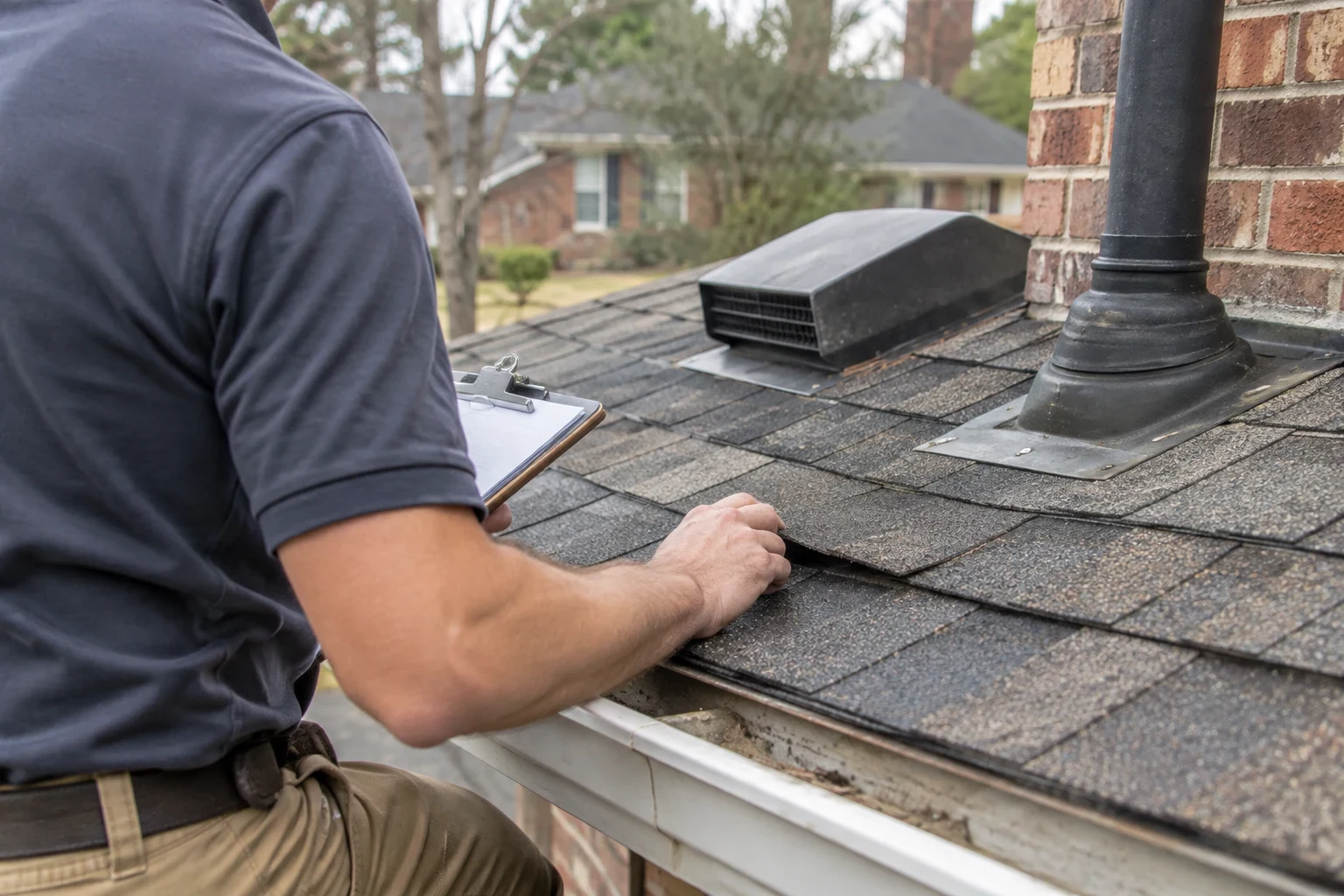
We climb up and check your shingles, flashing, vents and gutters, then head into the attic to see the decking from below. Anything wrong gets photographed. You hear in plain words what needs work now, what can wait and what is fine, with no charge for the visit.
What you learn from a roof inspection
An inspection shows you how your roof is really doing, so a loose shingle gets fixed before it becomes a wet ceiling or rotted wood. We check the shingles, the metal and sealant around chimneys, vents and walls, the gutters and the attic. Then we explain what we saw without the jargon.
It's a smart step before a home sale closes, after strong wind or hail, as a roof nears 20 years, or any time something on it looks wrong from the driveway. A lot of our visits end with us telling the owner the roof is fine for now. If that's the case, that's what you'll hear.
The same person who climbs your roof writes up the report and takes your calls about it later. If you end up needing roof repair or roof replacement, that same small crew does the work, so nobody new has to learn your roof from scratch.
What we check on every inspection
Shingle condition
We look for granule loss, cracks, curling, lifted tabs and nail pops. Long, humid summers wear asphalt shingles faster on the south and west slopes, so we check those closely.
Flashing and pipe boots
Chimney flashing, step flashing along walls, skylights and the rubber boots around plumbing vents. Those rubber collars crack with age and are one of the most common leak sources we find.
Attic and decking
From inside, we look for daylight, damp or dark spots on the decking, stained rafters and signs of poor airflow. Insulation pushed against the soffit vents is a frequent culprit.
Gutters and drainage
Clogs, sagging runs, gutters pulling away and rotted fascia. We also check where downspouts dump water onto a lower roof.
Your photo report
Each problem is photographed and noted in plain words, sorted by what needs attention now and what can wait. You keep it, whatever you decide.
When to have your roof looked at
Water marks overhead
A yellow or brown ring on drywall, or paint that has started to blister, means water has likely been getting in for some time. The actual hole on the roof is often a few feet away from the mark.
Grit piling up at downspouts
Sandy granules washing out of the gutters mean your shingles are losing their top coat.
Shingles gone after a windy night
One folded or missing shingle is enough to let water in. We also check whether the shingles next to it were pulled loose.
A roof in its late teens
Asphalt shingles often start to wear out somewhere around 15 to 20 years. A look tells you how many good years are left.
A home sale is coming
A report with photos lets buyer and seller see the roof's real condition before anyone signs.
After a hailstorm
Hail dents are tough to spot from the yard. Before you file a claim, it helps to know whether there is real damage to report.
What happens during the visit
- 1
We talk first
On the phone we ask about the roof's age, anything you have noticed and how to reach the attic. Then we choose a day and time that suits you.
- 2
Up top
We walk the roof when footing is safe. If it is too steep or still wet, we stay on ladders and shoot close-up photos so we don't scuff or crack the shingles.
- 3
Inside the attic
We check the bottom side of the roof boards for damp spots, see how air moves through the space and note where insulation sits. Slow leaks tend to show here long before they reach a ceiling.
- 4
Going over it together
Before we pack up, we go through the photos with you and answer what we can right there. If anything needs fixing, you get a written estimate listed item by item. You are under no pressure to schedule a thing.
The inspection costs nothing. Here is what sets the price of any work after it
You pay nothing for us to look at your roof or for the photo report. When the report turns up work worth doing, a handful of things decide what that work will cost, and we go over each one with you. If paying all at once is hard, financing is available through Acorn Finance.
- How big and how steep
- More square footage means more material and more hours. Steep slopes also call for harnesses and roof jacks, which adds setup time.
- The wood under the shingles
- Decking that has gone soft or rotten must be swapped out before anything new goes on top. The attic often tells us this ahead of time, so it is on the estimate instead of a surprise later.
- A fix or a full new roof
- Swapping a split pipe boot or a few blown-off shingles is a small job. Worn shingles on every slope is a bigger talk, and we tell you straight which situation you are in.
- Whether a storm caused it
- Wind or hail damage may be partly covered by your homeowner's policy. We can sit in on the adjuster meeting and help you through the claim from start to finish.
Questions people ask about roof inspections
Something not covered here? (919) 891-8209
Does the inspection actually cost nothing?
Right. We don't charge for the visit or for the photo report. Having us look does not commit you to any work.
Do I have to be there?
It helps if you're home. Someone needs to let us reach the attic hatch, and the photos make more sense when we point at them together on the spot. If you can't be there, we'll check the outside and walk you through the report on a phone call afterward.
Are you going to push a new roof on me?
No. Most of the roofs we check need a small repair or nothing. When a new roof really is the right call, the photos will show you why, and you can take as long as you need to decide.
What happens if you find storm damage?
We photograph it, meet your insurance adjuster on site and help you work through the claim. Your insurance company decides what is covered, but we'll be standing there with you to point out what we found.
How often should I have my roof checked?
Plan on a look about once every one to two years, and again after any storm that brought hail or strong wind. Once a roof passes 15 years, a yearly check catches small things while they are still cheap to fix.
Find out where your roof stands
One call gets you a free inspection and photos of everything we find. You'll know what needs work and what doesn't before you spend a dime.